


Skin Hyperpigmentation Types, Causes and Treatment
What Are The Types Of Hyperpigmentation?
There are many different types of hyperpigmentation on the body, including sun spots, melasma, and post-inflammatory hyperpigmentation.
Sunspots
Sunspots, also called solar lentigines or liver spots, are caused by excessive sun exposure over time. They typically appear as tiny brown spots on the face and hands. Sun spot removal procedures can effectively address these.
Melasma
Melasma is caused by hormonal changes, mostly during pregnancy, hence its common reference as the ‘mask of pregnancy’. Hyperpigmentation can develop in any area of the body, most commonly on the stomach and face. Nonetheless, melasma can develop at any age, women are more prone to melasma than men.
Post-inflammatory Skin Hyperpigmentation
Melasma is caused by hormonal changes, mostly during pregnancy, hence its common reference as the ‘mask of pregnancy’. Hyperpigmentation can develop in any area of the body, most commonly on the stomach and face. Nonetheless, melasma can develop at any age, women are more prone to melasma than men.

What Causes Hyperpigmentation?
Melanin is the pigment that gives skin its coloring and is produced by cells called melanocytes. Several factors can alter the production of melanin in the body.
For example, high hormone levels during pregnancy can increase melanin production. Certain medications and chemotherapy drugs can also cause hyperpigmentation as a side effect.
Addison’s disease, a rare endocrine disorder, can also lead to hyperpigmentation. This is most apparent in areas exposed to sun, such as the face, hands, and neck, and areas experiencing high friction, like elbows and knees.
Other hyperpigmentation causes that lead to different types of hyperpigmentation are as follows:
Sun Exposure
When you are exposed to excessive sunlight, the body synthesizes more melanin to protect the skin. High melanin synthesis can cause dark spots and patches, also known as sun spots or age spots.
Hormonal Changes
Hormonal imbalances in the body, such as those caused by pregnancy or other conditions, may also cause hyperpigmentation in different areas.
Skin Inflammation
Skin conditions like eczema, acne, lupus, and injuries that cause inflammation can also lead to darker spots on the skin.
Also, those with darker skin complexion are more susceptible to hyperpigmentation.

Medical Conditions
Medical conditions like Addison’s disease, which affects the adrenal glands, can also be one of the causes of hyperpigmentation in the lips, folds of the skin, knuckles, toes, elbows, knees, and inside the cheek.
Additionally, hemochromatosis, a condition of having too much iron in the body, can also cause skin hyperpigmentation, making it appear almost darker and tanned all over. This happens when iron levels rise to five times higher than usual.
Prevention and Protection for Pigmentation on Face
Avoid Direct Sunlight:
Stay out of direct sunlight, especially during peak hours when UV rays are at their hottest (10 am to 2 pm). Wear & re-apply every 3 hours sunscreen and use an umbrella or hat when outdoors to minimize your sun exposure.
Take Vitamin C:
Use SPF:
Avoid Touching Your Skin:

What Are the Best Treatments for Hyperpigmentation?
Luckily, there are many ways to address different hyperpigmentation types. One of the benefits of a medical spa is that you can come in for a consultation to find out exactly which treatments you need.
Here are some options:
PicoSure Pro
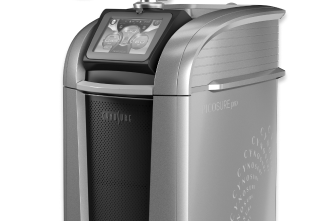
PicoSure Pro uses a device that emits 755nm of energy in picoseconds. This quick energy delivery spares the skin from high heat damage. It specifically targets unwanted wrinkles, pigments, acne scars, and enlarged pores with no downtime.
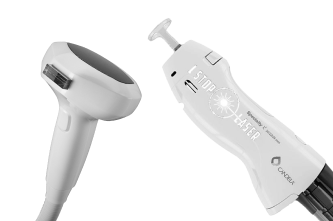
Lumecca is a powerful intense pulsed light (IPL) treatment that targets vascular lesions and discolorations. It uses photothermolysis, a process that delivers a safe and effective light treatment. After one session, you will immediately notice improvements in hyperpigmentation, overall complexion, and skin clarity; nonetheless 3-5 treatments are recommended for the optimal results.
Visit LA Beauty Skin Center for a Lumecca IPL Treatment in North Hollywood today.
Lumecca IPL

Chemical Peels
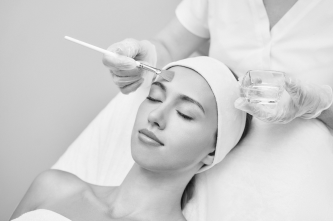
Chemical peels can address wrinkles, hyperpigmentation, and scarring, especially on the face. They can be administered as a standalone treatment or with other cosmetic procedures. They can also be done at different depths and intensities, from light to deep, with corresponding downtimes.
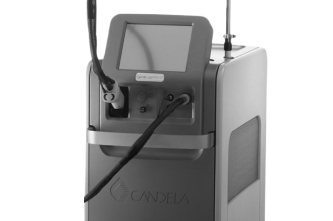
Laser therapy uses targeted light to reduce hyperpigmentation. Ablative lasers remove layers of the skin, and non-ablative layers target the dermis and promote collagen production.
Lasers stimulate new skin cell growth, reducing the appearance of hyperpigmentation and scarring.
Laser Therapy
Prescription Grade Bleaching Creams
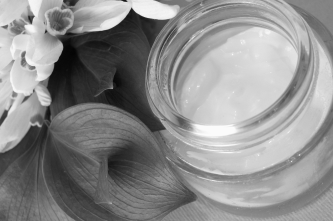
Hydroquinone, a prescription-grade bleaching cream, is an effective skin lightening agent recommended by dermatologists. Hydroquinone cream is also referred to as a bleaching cream (although it technically contains no bleach) as it can lighten the skin.
Lower-strength versions of hydroquinone can be purchased over the counter, but higher-strength variants are only available with a prescription. It’s important to consult with an experienced medical professional to determine which type and grade of the bleaching products would be most effective for you.
Combination therapy uses intermittent energy-based therapies such as Lumecca IPL or PicoSure Pro with prescription medications such as Hydroquinone. It is typically used for the resistant hyperpigmentation, usually melasma, when one treatment modality is not sufficient to achieve the desired result.
Combination Therapy
Contact LA Beauty Skin Center for Hyperpigmentation Treatment
For help in eliminating skin hyperpigmentation, visit LA Beauty Skin Center, a medical spa in North Hollywood, for laser treatments, acne treatments, and chemical peels in North Hollywood and Glendale.